12 Healthy Eating Changes to Make for a Spring Reset
It’s the season of new beginnings, which means it’s the perfect time to make a fresh start on your health goals. Make this season count with healthier choices that will help build your confidence.
Let’s ditch the diets and set some healthy eating goals that going to stick
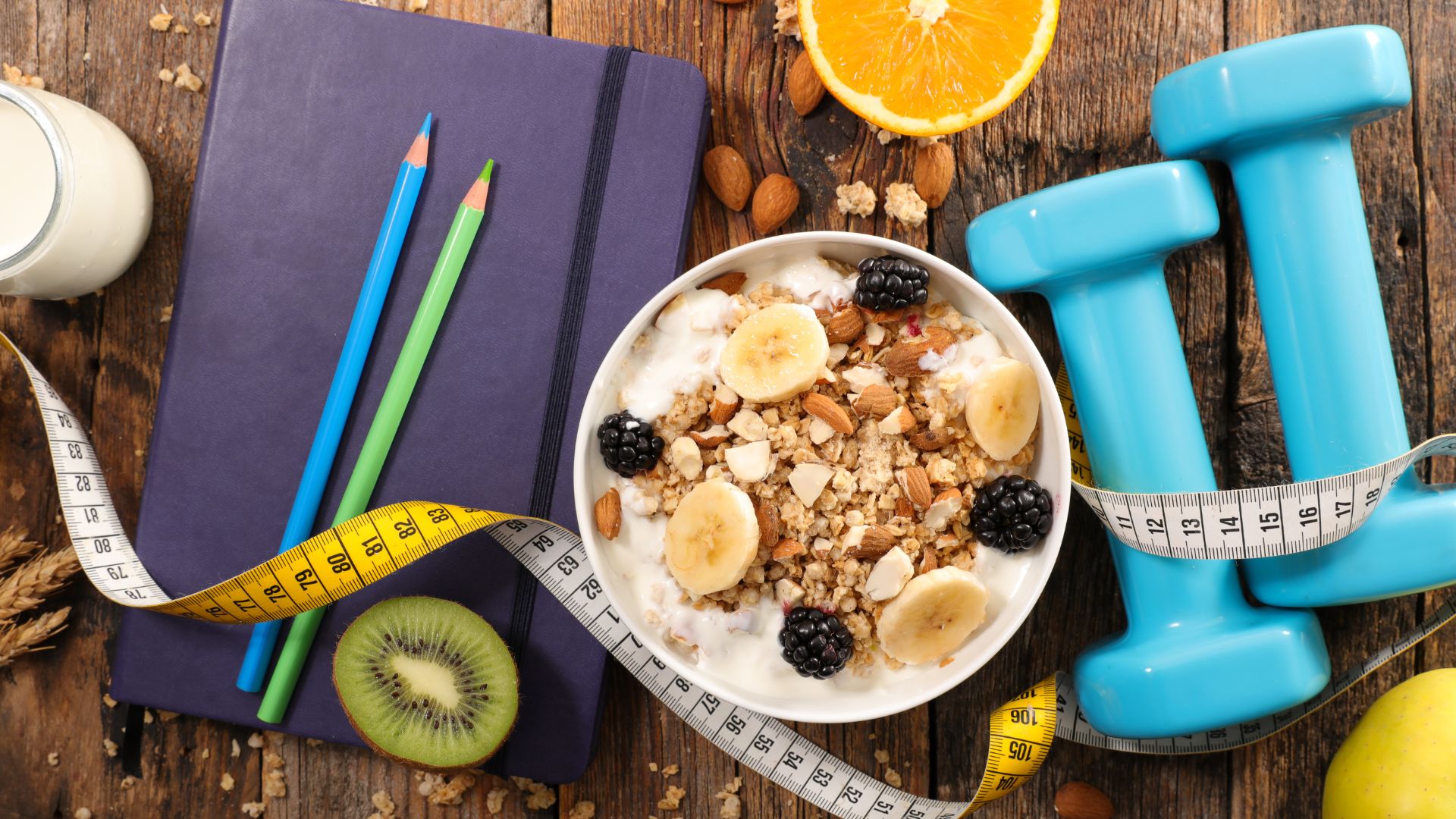
It’s not about cutting food out, going on strict diets or being obsessed with scales. Instead, it’s about making small healthy changes that will fit into your life, and noticing how your mind and body feel when you make these positive changes in your eating habits.
Change the focus to how you want to feel rather than your weight

If you focus on how healthy food makes you feel rather than the scales or how you look, the rest will follow. Although maintaining a healthy weight is vital to lowering disease risk and living a longer healthier life, focusing on weight and how you look too much can be detrimental.
It is perfectly okay to have a goal to say lose 5Kg over 10 weeks. Aiming for 0.5kg per week is a healthy and realistic approach to weight loss. It allows you to slowly make small changes to your eating that won’t disrupt your life too much and help you to form new healthy habits.
The secret to easy weight loss is to start to notice how healthier food choices make you feel. By reducing the intake of processed foods high in sugar, fat or salt, and increasing wholegrains, fruit and vegetables, your energy levels, mood, sleep, concentration, self-confidence will all naturally improve. In fact, you will feel so good that you’ll want to keep the good feelings going and the weight will just fall off without you even focusing on it!
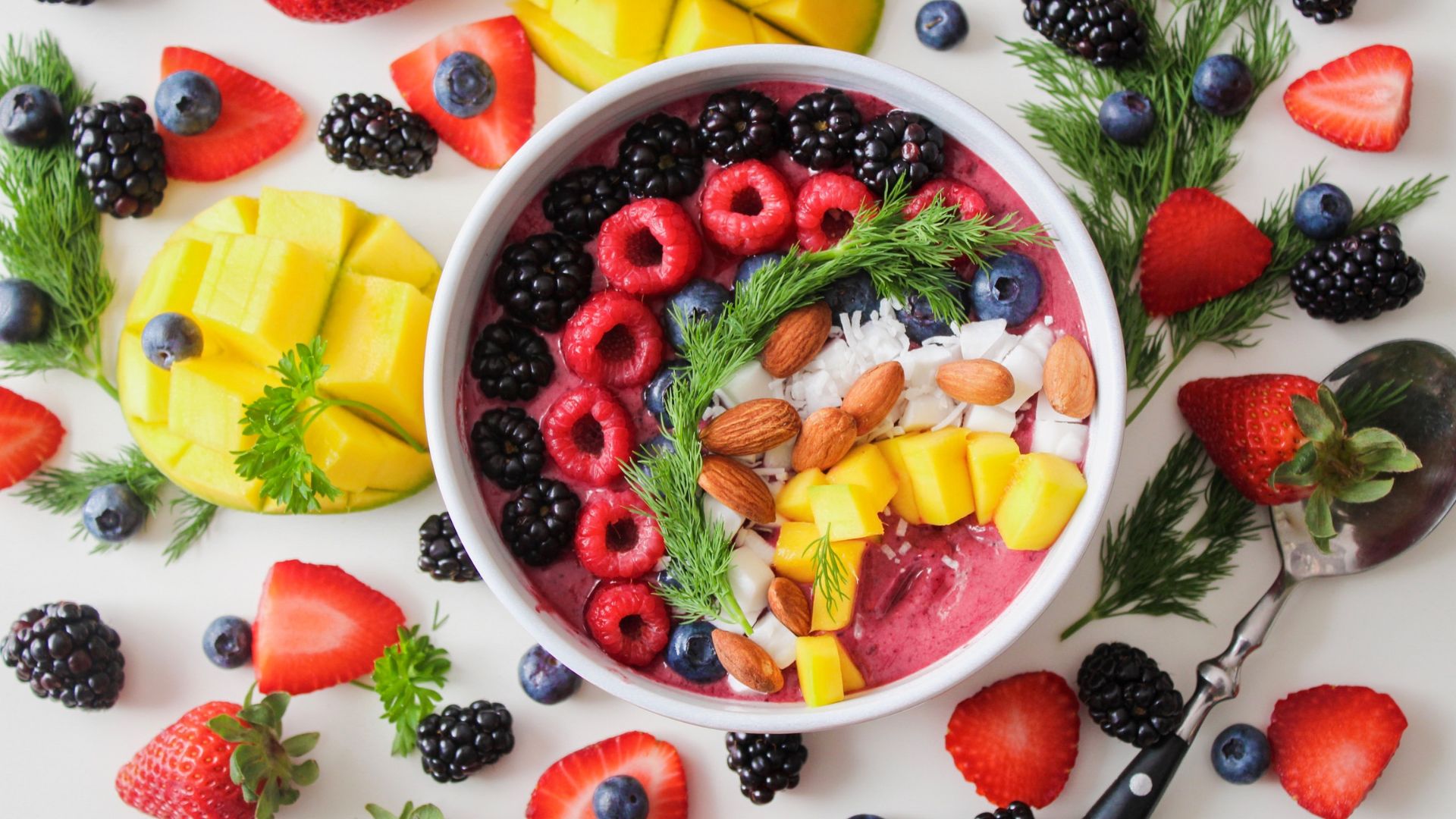
Food should not be feared and fear is the response most diets generate around foods.
‘Diets’ and tight food restrictions that cut out whole food groups put too much pressure on you, which is why you may cave and grab a cookie from the cookie jar… then maybe another… and another… and another.
The reason this happens is because you have labelled that food as ‘bad’ or ‘forbidden’, which makes the humble cookie so much more desirable. When it comes to healthy eating, we say NO to rules and restrictions and YES to listening to what your body really needs to feel good.
Instead, allow yourself to have a cookie and don’t feel guilty. But always make sure your number one priority is to nourish your mind and body by fueling yourself with lots of fibre and nutrients – you may notice that you are actually too full for that cookie!
Make small changes to reach a bigger goal

If your healthy eating goals look something like ‘I am cutting out sugar this week’ or ‘I’m only eating salads this week’, then the likelihood of you falling off the bandwagon is pretty high. Going cold-turkey is not sustainable.
Instead, try ‘This week, instead of eating half a block of chocolate each night, I am going to eat one row’, or ‘I am going to increase the amount of salad or veggies on my plate this week.’ Make baby steps each week!
12 small changes you can make that will stick
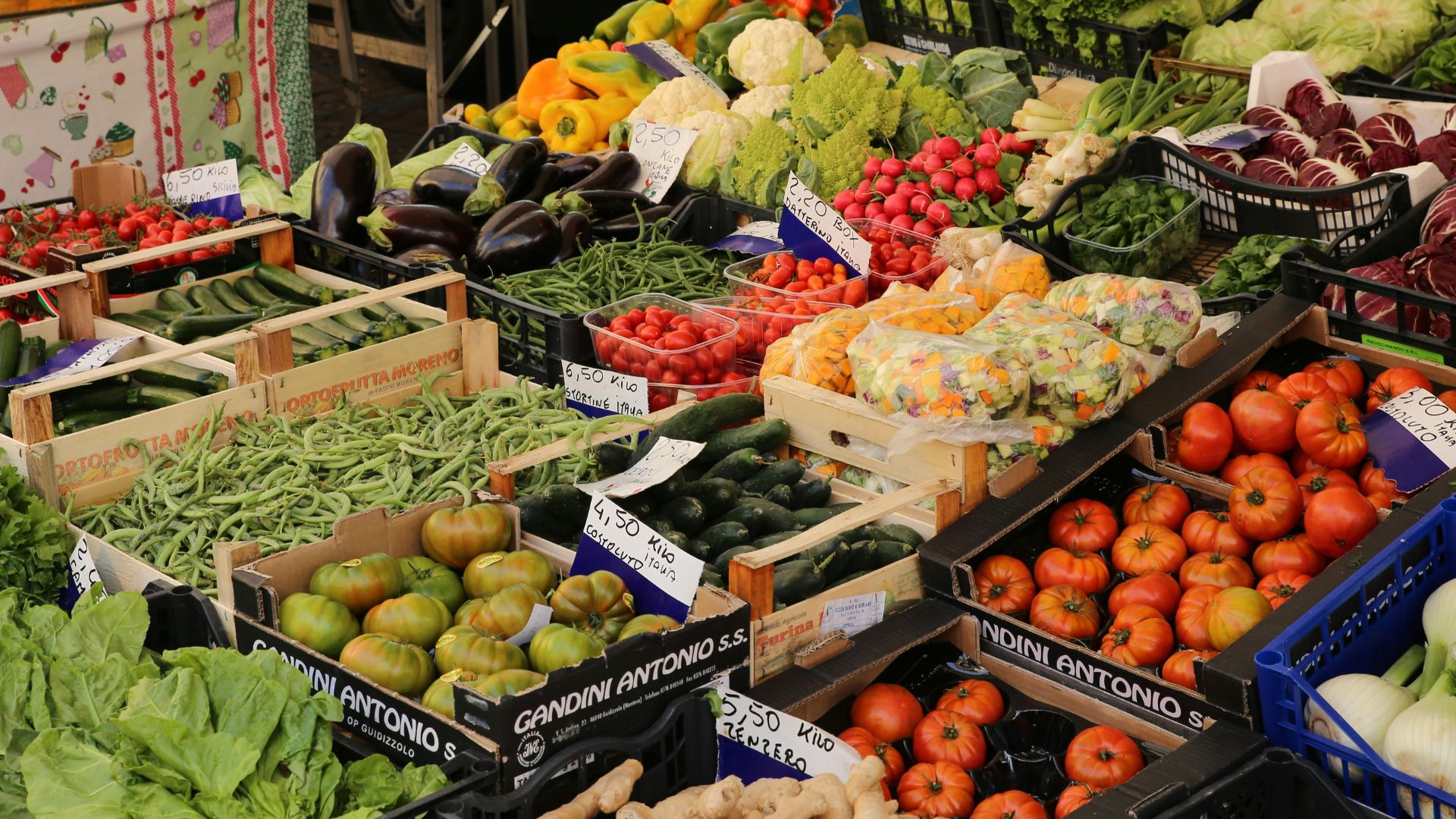
1. Incorporate Seasonal Produce
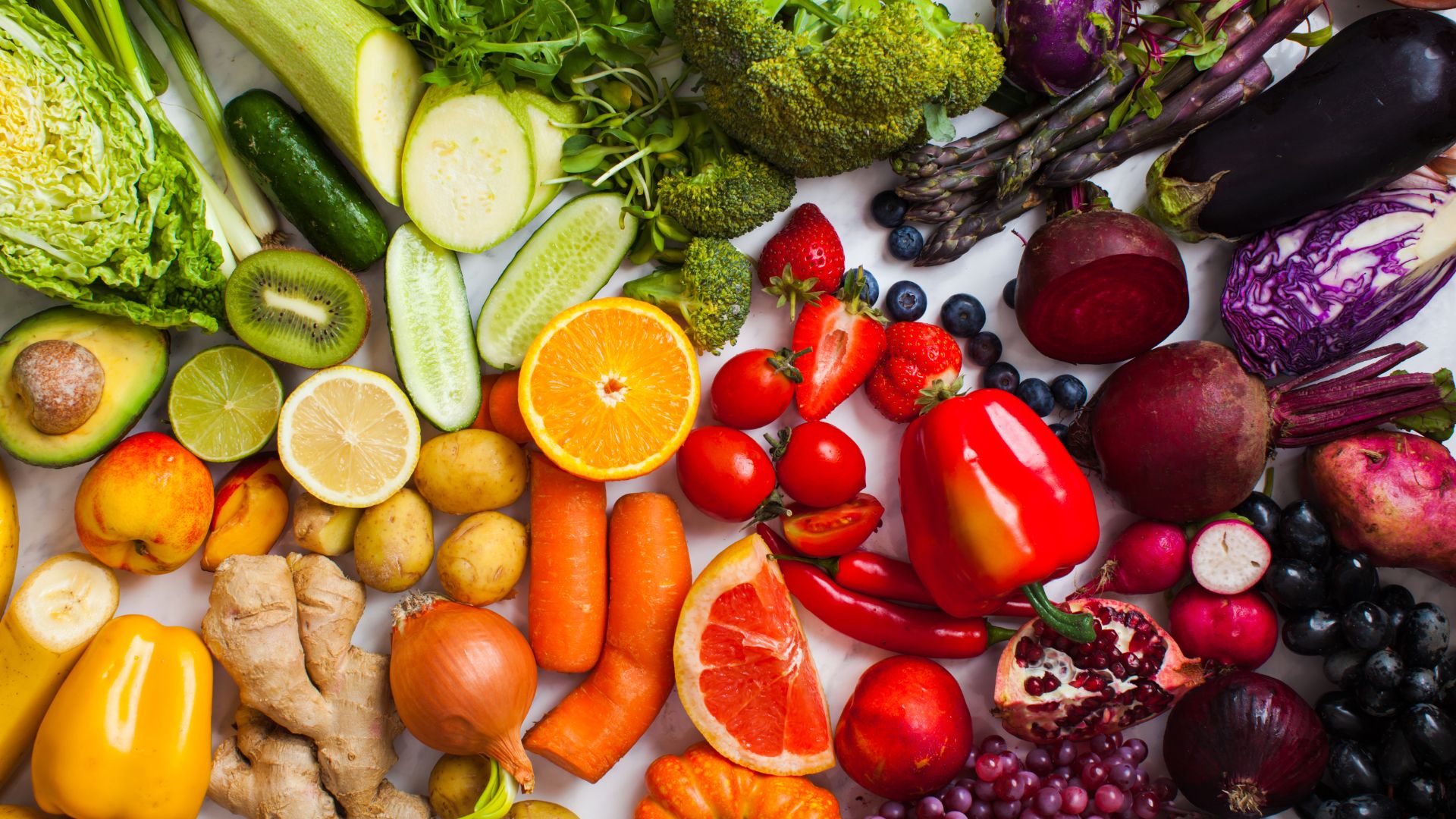
Spring brings some of the best fresh produce all year! Seasonal fruits and veggies are not only extra tasty, but are also richer in vitamins and minerals. By including seasonal produce in your meals, you can enjoy fresh flavors and boost your nutrition at the same time!
2. Focus on Hydration

As temperatures rise, staying hydrated is essential. Drinking enough water helps keep your energy up, and aids digestion and metabolism. It also improves your skin and overall health. Consider flavoring your water with fruits or herbs like mint to make it more appealing. Women should be drinking at least 8 glasses of water per day, and men need around 10.
3. Consider Eating More Plant-Based Meals
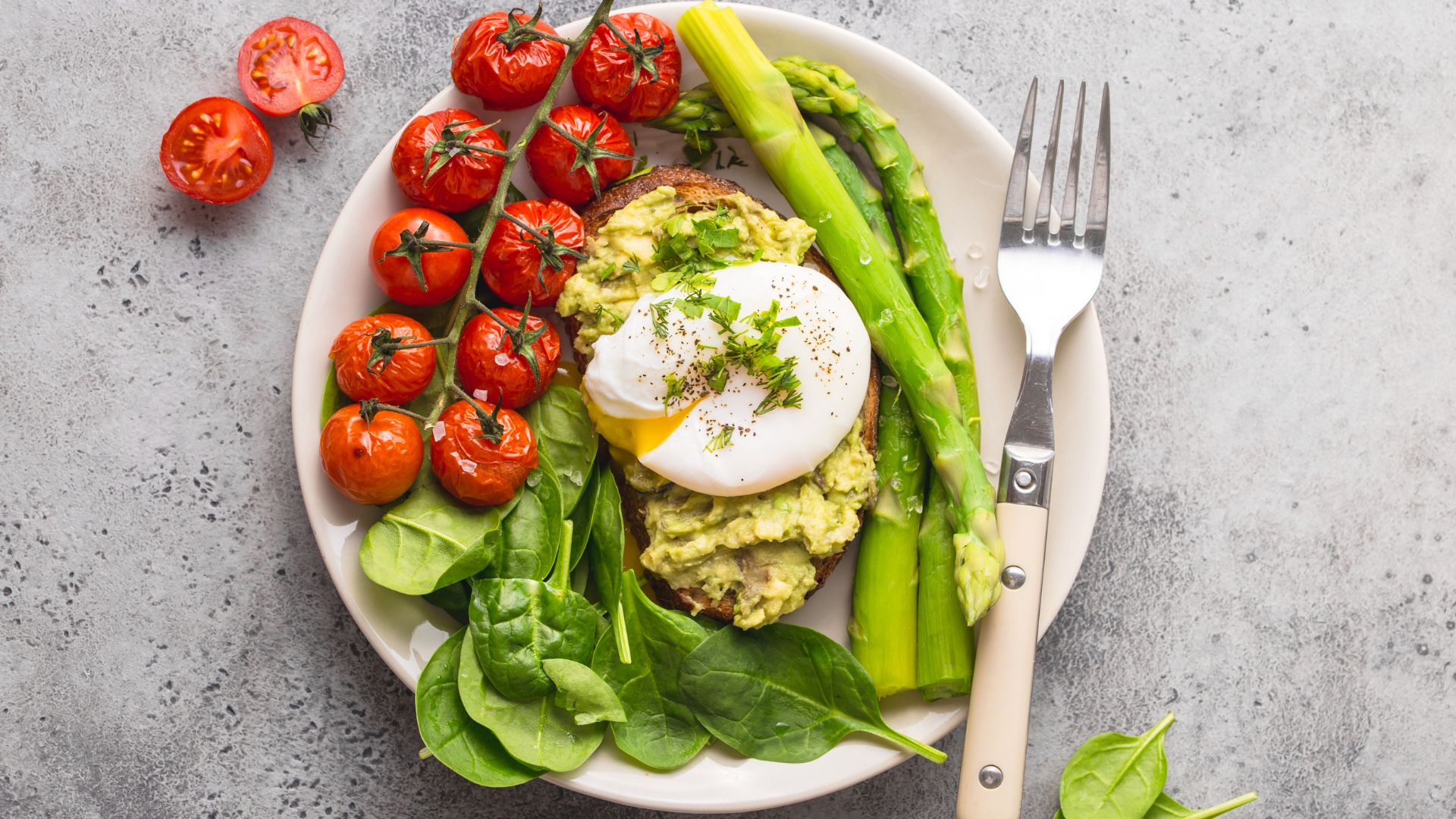
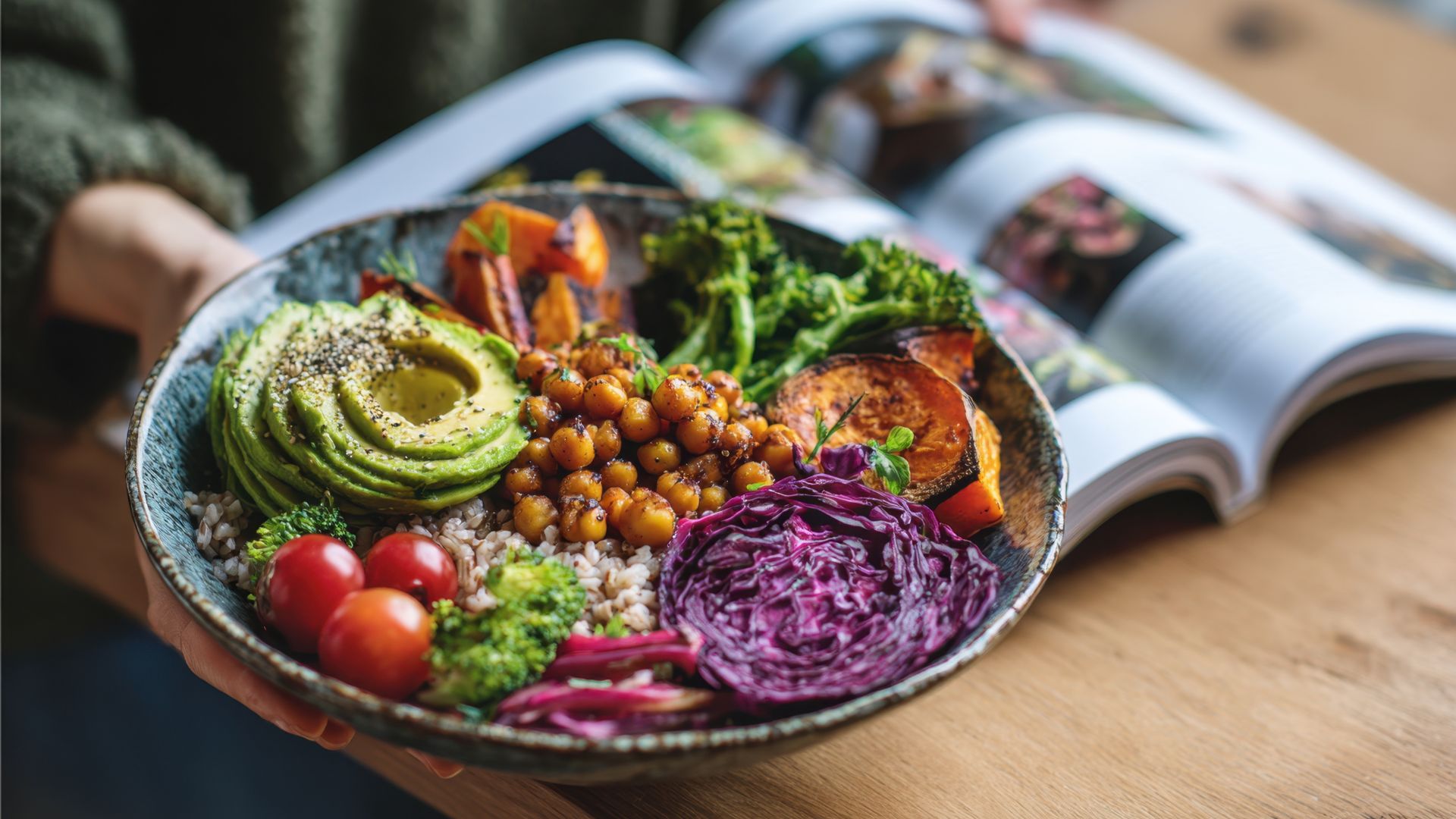
Switching to more plant-based meals can greatly benefit your health. Diets rich in fruits, vegetables, legumes, and whole grains are linked to greater health outcomes and a lower risk of chronic diseases. This doesn’t mean you have to go fully vegetarian—just introduce more plant-based recipes into your diet. Maybe consider having a weekly ‘vegetarian night’ where you explore new plant-based recipes each week.
4. Switch to Whole Grains

Opting for whole grains instead of refined grains and unrefined carbohydrates (eg. white breads and pastas) can improve your health significantly. Whole grains provide more fiber and nutrients, which are important for digestion and heart health. They can help keep your blood sugar stable, too. By choosing whole grain bread or brown rice instead of white will boost the nutritional value of your meals, leaving you feeling more full and satisfied.
5. Eat Fewer Packaged & Processed Foods
Cutting back on heavily-processed and/or packaged foods can lead to better energy levels and improved health. Many of these foods are high in added sugars and unhealthy fats, which can make it harder to stick to your healthy eating goals and result in unwanted health outcomes like weight gain and increased risk of chronic illness. By focusing on whole foods, you gain more control over your own health.
6. Snack Smart
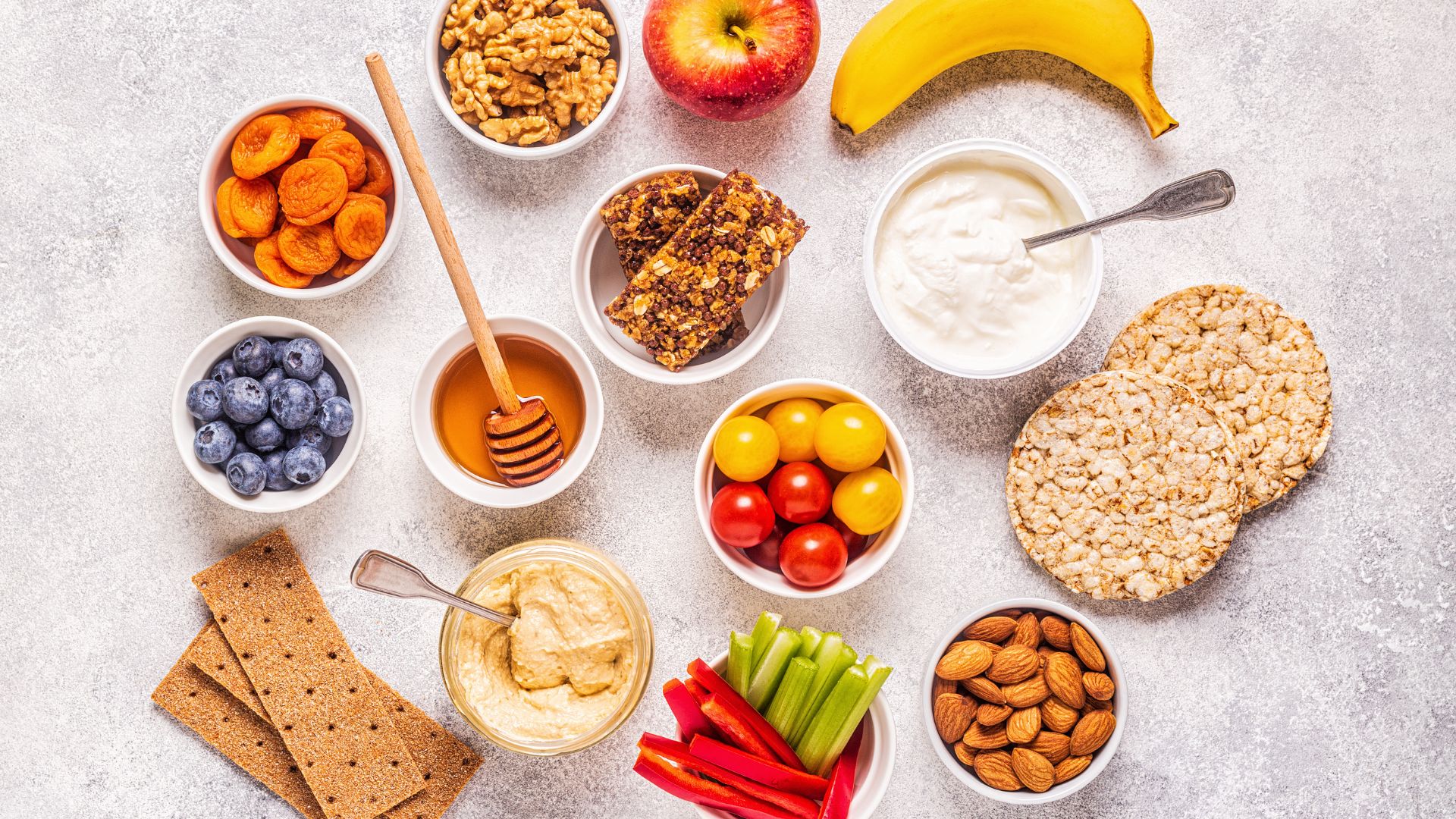
Don’t let yourself go hungry between meals. Healthy snacks can keep your energy up and prevent overeating later on. Choosing nutrient-rich snacks like fruits, nuts, or yogurt ensures you’re fueling your body with the right nutrients. Keeping these healthy options accessible makes it easier to make better snack choices throughout the day, so consider doing some snack-time meal prep to have them on hand throughout the week.
7. Practice Mindful Eating
Mindful eating encourages you to pay attention to what you eat and how you feel while eating. This approach can help you recognize when you’re truly hungry and when you’re satisfied, reducing the likelihood of overeating. Slowing down during meals and focusing on each bite can also enhance your enjoyment of food.
8. Start Meal Prepping
Meal prepping can make healthy eating more manageable throughout the week. By preparing meals or ingredients in advance, you save time and reduce the temptation to grab unhealthy options when you’re busy. This system not only helps you stick to your health goals but also allows for more variety and creativity in your meals.
9. Try New Recipes
Exploring new recipes can make meal time exciting again. Trying out seasonal ingredients or different cuisines can introduce you to new flavors and cooking methods. Cooking something new each week keeps your meals interesting and helps prevent boredom with your diet.
10. Listen to Your Body
Being in tune with your body’s signals is essential for healthy eating. Pay attention to how different foods make you feel, both physically and emotionally. Maybe even consider recording these things in a journal. This awareness can guide you to make better choices, helping you recognise your hunger cues and what satisfies you.
11. Eat with Others

Eating alone can lead to us making food choices we might not make otherwise. If you can, try to share meals with others. It’s a great opportunity to connect with your loved ones while staying accountable to your health goals.
12. Prioritise Breakfast

A healthy breakfast sets the tone for the day. Including a mix of protein, healthy fats and carbs, and fiber can keep you feeling full and energised to kickstart your day in a positive way.
Conclusion
Making these healthy eating changes can help you embrace spring with an informed approach to your nutrition. Use this season as a motivation to cultivate better habits that will benefit you long after summer rolls around.