
Signs You Might Have Hay Fever & What to Do About It

Hay fever, also known as allergic rhinitis, is a condition that occurs when your immune system overreacts to allergens in the air, such as pollen, dust mites, or pet dander that affects around 1 in 5 adults. It can affect your respiratory system and exacerbate other conditions such as asthma. It’s not uncommon for a person to develop hay fever later in life, seemingly out of nowhere. In fact, around 20% of people with hay fever do not experience any symptoms until after age 20. Recognising the signs early can help you manage symptoms effectively. Here are some common symptoms to look out for:
Common Symptoms
- Sneezing: Frequent sneezing, especially after exposure to allergens.
- Runny or Stuffy Nose: Nasal congestion or a clear, watery discharge.
- Itchy Eyes, Nose, or Throat: A persistent itchiness that can be quite uncomfortable.
- Coughing: Often due to postnasal drip or throat irritation.
- Fatigue: Feeling unusually tired, which can result from disrupted sleep due to symptoms.
- Headaches: Sinus pressure can lead to headaches.

If you experience these symptoms, especially during spring and summer, it may indicate that you have hay fever and should consult with a GP for diagnosis and treatment
What to Do If You Experience Symptoms or Have an Asthma Attack

If you suspect you have hay fever or if you have asthma and experience an attack, it’s essential to know how to respond.
Managing Hay Fever Symptoms
- Avoid Allergens: Stay indoors on high pollen days, keep windows closed, and use air conditioning.
- Over-the-Counter Medications: Antihistamines, decongestants, and nasal corticosteroids can help alleviate symptoms.
- Nasal Irrigation: Rinsing your nasal passages with saline can help clear allergens and mucus.
- Consult a Doctor: If symptoms persist, seek medical advice for potential prescription medications or allergy testing.
Responding to an Asthma Attack
- Use Your Inhaler: If you have a rescue inhaler, use it immediately as directed.
- Stay Calm: Anxiety can worsen symptoms, so try to remain as calm as possible.
- Sit Up: Position yourself in a way that makes breathing easier, such as sitting upright.
- Seek Help: If symptoms do not improve within a few minutes or worsen, call emergency services or have someone take you to the hospital.
Preventative Measures
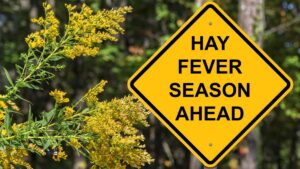
Taking proactive steps can significantly reduce the likelihood of experiencing hay fever symptoms. Here are some effective preventative measures:
Lifestyle Changes
- Monitor Pollen Counts: Check local weather reports for pollen forecasts and limit outdoor activities when counts are high.
- Keep Indoor Air Clean: Use air filters in your home if you can and regularly clean to reduce dust and pet dander.
- Shower After Outdoor Activities: This helps remove pollen from your skin and hair.
- Exercise: Staying active can improve your respiratory health, immunity and lung strength.
Medical Interventions
- Allergy Testing: Consult an allergist for testing to identify specific triggers.
- Immunotherapy: Allergy shots or sublingual tablets can help desensitize your immune system to allergens over time.
- Regular Check-ups: If you have asthma, regular visits to your healthcare provider can help manage your condition effectively.
By recognizing the signs of hay fever, knowing how to respond to symptoms or asthma attacks, and implementing preventative measures, you can significantly improve your quality of life during allergy season.