
Rest Easy: A Guide to Common Sleep Disorders & How to Overcome Them

Sleep disorders are conditions that affect your ability to sleep well on a regular basis. They can lead to daytime fatigue, mood changes, and other health issues. Here’s a look at some common sleep disorders, their causes, signs, and tips for improving sleep quality.
Common Sleep Disorders
1. Insomnia
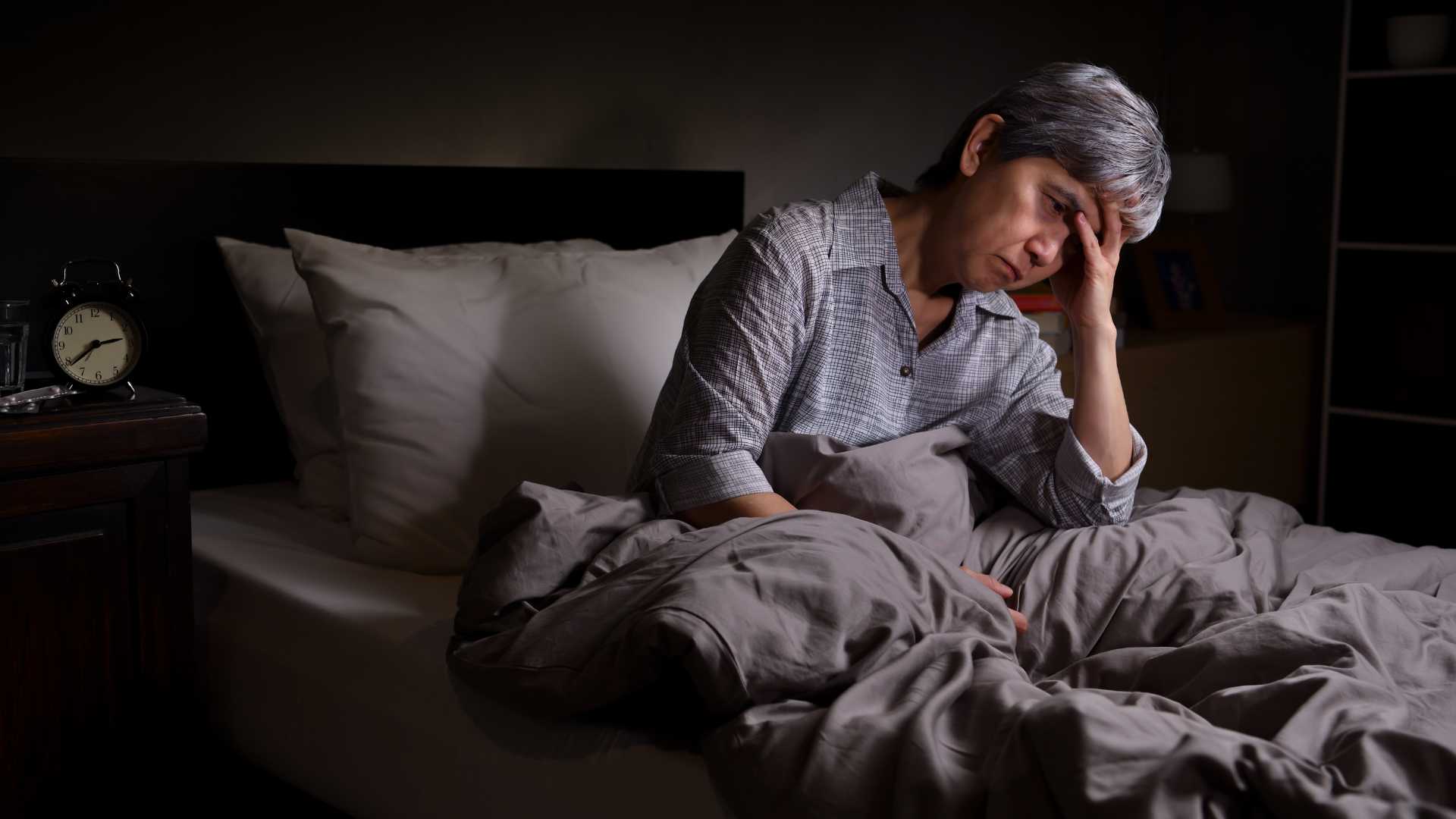
Causes: Stress, anxiety, depression, certain medications, and lifestyle factors like irregular sleep schedules.
Symptoms:
- Difficulty Falling Asleep: Taking longer than 30 minutes to fall asleep on a regular basis.
- Frequent Night Awakenings: Waking up multiple times during the night and having trouble returning to sleep.
- Early Morning Awakening: Waking up earlier than desired and being unable to go back to sleep.
- Daytime Fatigue: Feeling tired, irritable, or unable to concentrate during the day due to poor sleep quality.
- Racing Thoughts: Experiencing a busy mind that makes it hard to relax and fall asleep.
2. Sleep Apnea
Causes: Obesity, age, stress, anatomical factors (like a thick neck or large tonsils), and family history.
Symptoms:
- Loud Snoring: Noticeable snoring that may disturb others.
- Gasping or Choking: Episodes of gasping or choking during sleep, often noticed by a partner.
- Excessive Daytime Sleepiness: Feeling excessively tired during the day, even after a full night’s sleep.
- Morning Headaches: Waking up with headaches due to disrupted sleep patterns.
- Difficulty Concentrating: Struggling to focus or remember things during the day.
3. Restless Legs Syndrome (RLS)
Causes: Iron deficiency, chronic diseases, pregnancy, and certain medications.
Symptoms:
- Uncomfortable Sensations: Experiencing tingling, crawling, or aching sensations in the legs, often described as uncomfortable.
- Irresistible Urge to Move: A strong urge to move the legs, especially when sitting or lying down.
- Symptoms Worsening at Night: Increased discomfort and symptoms that typically worsen in the evening or at night.
- Sleep Disruption: Difficulty falling asleep or staying asleep due to the discomfort in the legs.
4. Narcolepsy
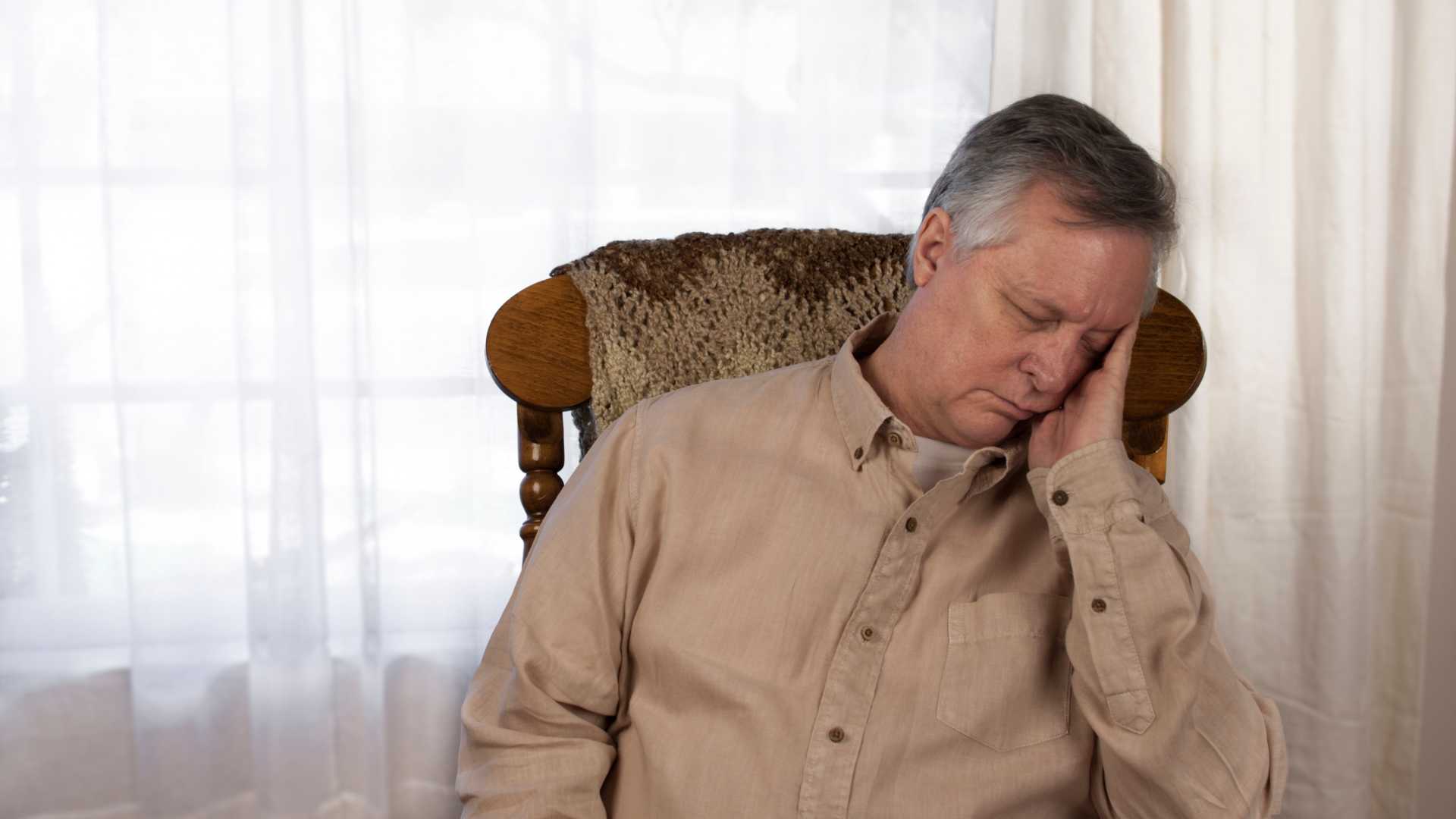
Causes: Genetic factors, brain injuries, and certain autoimmune disorders.
Symptoms:
- Excessive Daytime Sleepiness: Persistent sleepiness during the day, often leading to unintentional naps.
- Sudden Sleep Attacks: Experiencing sudden episodes of sleep that can occur at any time, even during activities.
- Cataplexy: Sudden loss of muscle tone triggered by strong emotions, leading to weakness or collapse.
- Sleep Paralysis: Temporary inability to move or speak while falling asleep or waking up.
- Hallucinations: Vivid dreams or hallucinations that occur while falling asleep or waking up.
5. Circadian Rhythm Sleep-Wake Disorders

Causes: Disruptions in the body’s internal clock due to shift work, travel across time zones, or irregular sleep patterns.
Symptoms:
- Difficulty Sleeping at Desired Times: Trouble falling asleep or waking up at conventional times.
- Excessive Daytime Sleepiness: Feeling sleepy during the day, especially when trying to stay awake.
- Poor Sleep Quality: Waking up frequently or feeling unrested after sleep.
- Mood Changes: Increased irritability or mood swings due to disrupted sleep patterns.
6. Parasomnias
Causes: Sleepwalking, night terrors, and other abnormal behaviors during sleep, often linked to stress, sleep deprivation, or certain medications.
Symptoms:
- Sleepwalking: Walking or performing other activities while still asleep.
- Night Terrors: Episodes of intense fear during sleep, often accompanied by screaming or thrashing.
- Sleep Talking: Speaking during sleep without awareness.
- Unusual Movements: Engaging in strange behaviors while asleep, such as kicking or flailing.
7. Bruxism
Causes: Stress, anxiety, misaligned teeth, or sleep disorders.
Symptoms:
- Teeth Grinding: Grinding teeth during sleep, often unnoticed until symptoms arise.
- Jaw Pain: Experiencing pain or soreness in the jaw upon waking.
- Headaches: Frequent headaches, particularly in the morning.
- Worn Teeth: Noticeable wear on teeth due to grinding.
8. Periodic Limb Movement Disorder (PLMD)
Causes: Often associated with RLS, iron deficiency, or other medical conditions.
Symptoms:
- Involuntary Leg Movements: Repeated, involuntary jerking or twitching of the legs during sleep.
- Sleep Disruption: Frequent awakenings due to limb movements, leading to poor sleep quality.
- Daytime Fatigue: Feeling tired or sleepy during the day as a result of disrupted sleep.
9. Chronic Fatigue Syndrome (CFS)

Causes: The exact cause is unknown, but it may be linked to viral infections, immune system issues, hormonal imbalances, or psychological stress.
Symptoms:
- Persistent Fatigue: Severe fatigue that lasts for six months or longer and is not improved by rest.
- Post-Exertional Malaise: Worsening of symptoms after physical or mental exertion, often lasting more than 24 hours.
- Sleep Disturbances: Unrefreshing sleep, insomnia, or other sleep-related issues.
- Cognitive Difficulties: Problems with memory, concentration, and mental clarity, often referred to as “brain fog.”
- Muscle and Joint Pain: Unexplained pain in muscles and joints without swelling or redness.
Causes of Sleep Disorders
Sleep disorders can stem from a variety of factors, including:
- Psychological Issues: Stress, anxiety, and depression can significantly impact sleep quality.
- Physical Health Conditions: Chronic pain, respiratory issues, and hormonal changes can disrupt sleep.
- Lifestyle Choices: Poor sleep hygiene, irregular sleep schedules, and excessive caffeine or alcohol consumption can contribute to sleep problems.
- Genetics: Some sleep disorders, like narcolepsy, can run in families.
Signs You Might Have a Sleep Disorder
If you experience any of the following symptoms regularly, it may indicate a sleep disorder:
- Difficulty falling or staying asleep
- Frequent waking during the night
- Daytime fatigue or sleepiness
- Difficulty concentrating or memory issues
- Mood changes, such as irritability or anxiety
If these symptoms persist, it’s important to consult a healthcare professional for evaluation.
Tips for Better Sleep

Improving your sleep quality can often alleviate symptoms of sleep disorders. Here are some strategies:
- Establish a Sleep Schedule: Go to bed and wake up at the same time every day, even on weekends.
- Create a Relaxing Bedtime Routine: Engage in calming activities before bed, such as reading or taking a warm bath.
- Limit Screen Time: Reduce exposure to screens at least an hour before bedtime to minimize blue light interference.
- Optimize Your Sleep Environment: Keep your bedroom dark, quiet, and cool. Consider using earplugs or a sleep mask if necessary.
- Watch Your Diet: Avoid large meals, caffeine, and alcohol close to bedtime.
- Stay Active: Regular physical activity can help you fall asleep faster and enjoy deeper sleep.
- Manage Stress: Practice relaxation techniques such as meditation, deep breathing, or yoga.
By understanding sleep disorders and implementing these strategies, you can improve your sleep quality and overall well-being. If sleep issues persist, seeking professional help is essential for proper diagnosis and treatment.