Nutrients for a Healthy Nervous System: What to Eat for Optimal Function

A healthy nervous system is essential for overall wellbeing, as it plays a crucial role in how we think, feel, and respond to the world around us. The foods we eat can significantly impact the health of our nervous system, providing the necessary nutrients to support its optimal function. Here’s a look at some key nutrients and the best food sources to help keep your nervous system in top shape.
Key Nutrients for Nervous System Health

Omega-3 Fatty Acids
-
- Importance: Omega-3 fatty acids are vital for brain health and can help reduce inflammation, which is beneficial for the nervous system.
- Food Sources: Fatty fish (like salmon, mackerel, and sardines), walnuts, flaxseeds, and chia seeds.
B Vitamins

- Importance: B vitamins, particularly B1 (thiamine), B6 (pyridoxine), B9 (folate), and B12 (cobalamin), are essential for nerve function and the production of neurotransmitters.
- Food Sources: Whole grains, legumes, eggs, dairy products, leafy greens, and fortified cereals.
Antioxidants
- Importance: Antioxidants help protect the nervous system from oxidative stress, which can damage nerve cells.
- Food Sources: Berries (like blueberries and strawberries), dark chocolate, nuts, green tea, and colorful fruits and vegetables (such as carrots, spinach, and bell peppers).
Vitamin D

- Importance: Vitamin D plays a role in nerve growth and function, and a deficiency can lead to mood disorders and cognitive decline.
- Food Sources: Fatty fish, fortified dairy products, egg yolks, and exposure to sunlight.
Magnesium
- Importance: Magnesium is crucial for nerve transmission and can help regulate neurotransmitter release, promoting relaxation and reducing anxiety.
- Food Sources: Nuts (especially almonds and cashews), seeds, whole grains, leafy greens, and dark chocolate.
Zinc
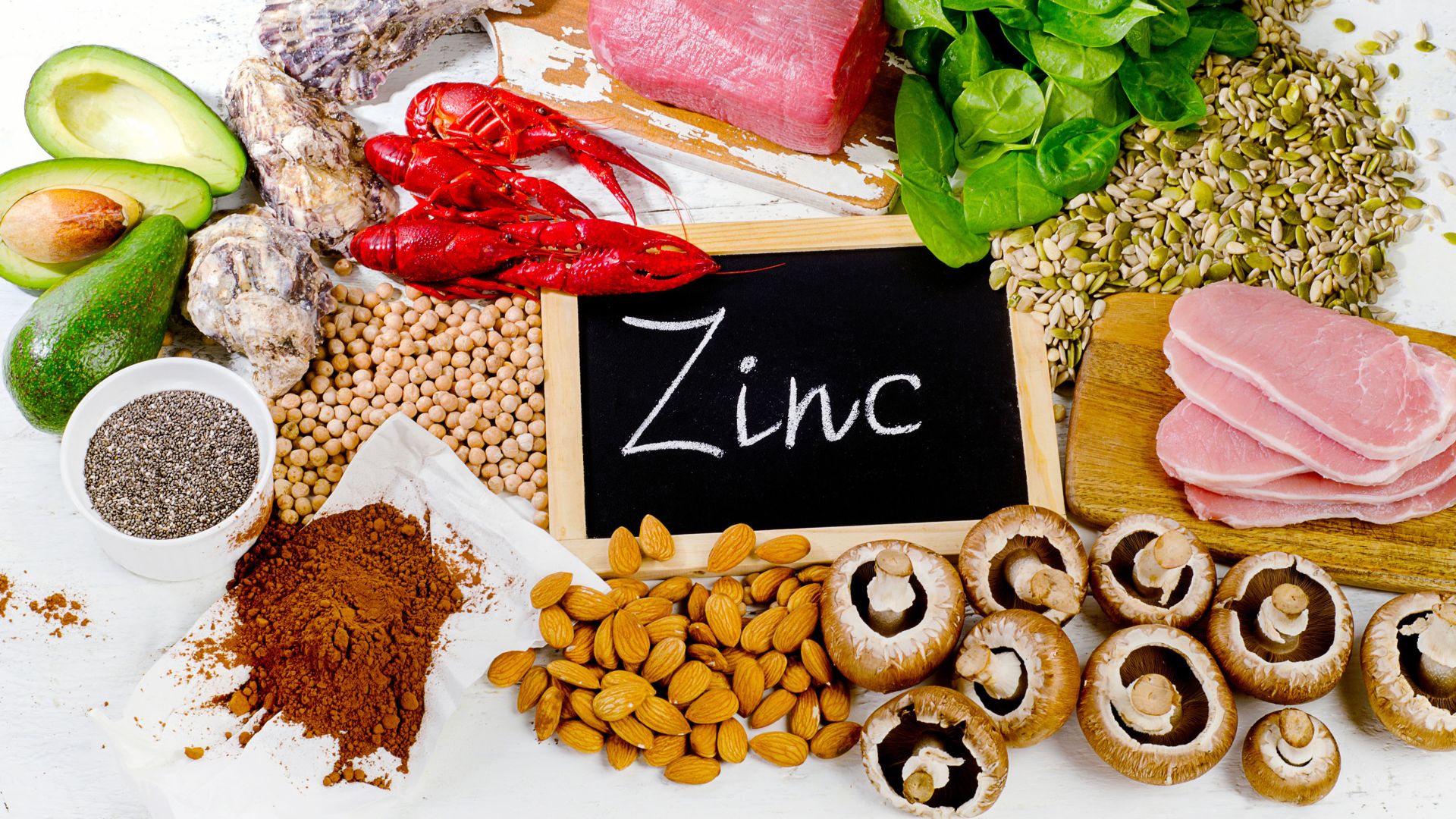
- Importance: Zinc is important for brain health and has been linked to improved cognitive function and mood regulation.
- Food Sources: Meat, shellfish, legumes, seeds, nuts, and whole grains.
Tips for a Nervous System-Friendly Diet
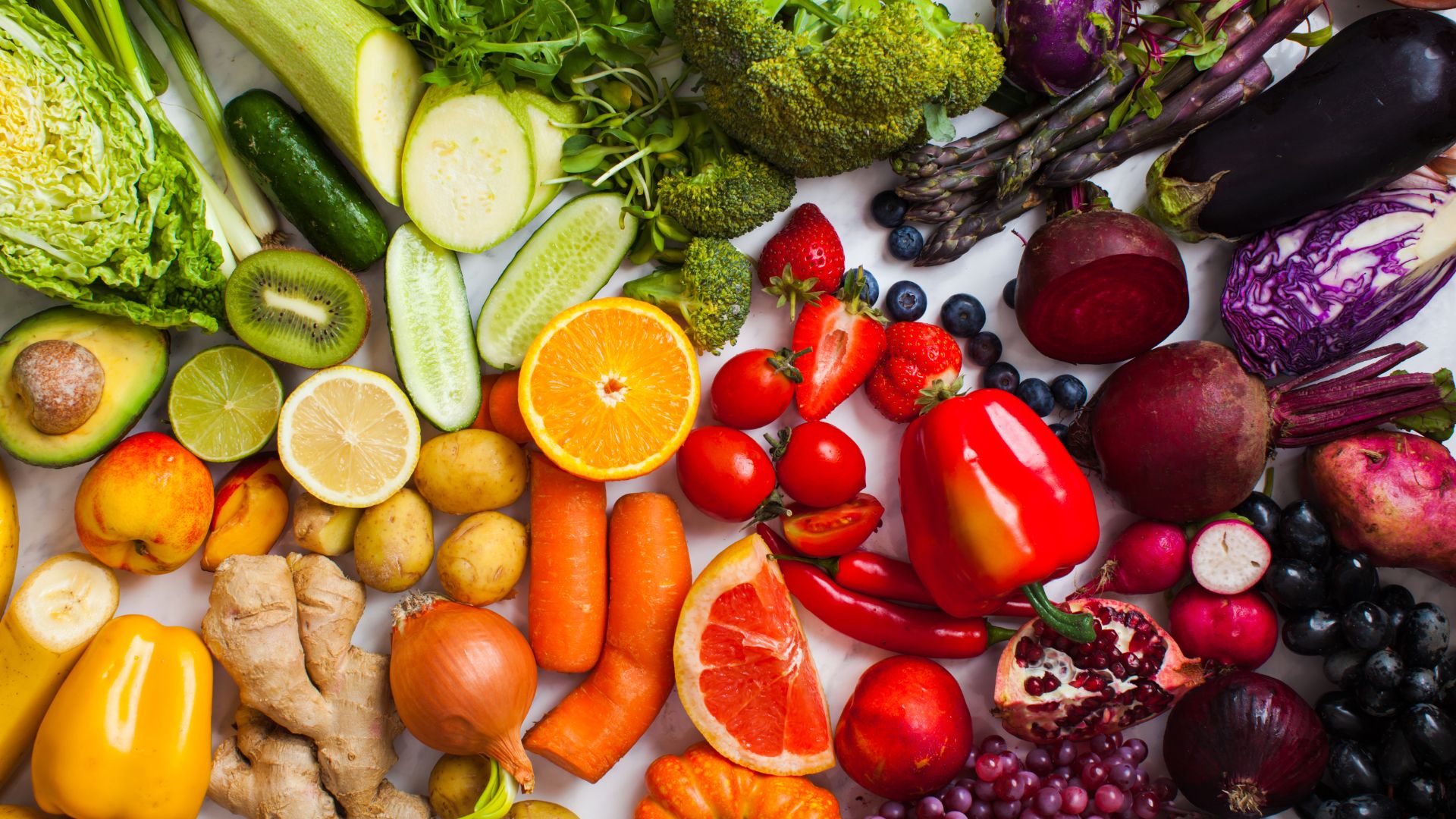
- Incorporate Variety: Aim for a colorful plate filled with a variety of fruits, vegetables, whole grains, and healthy fats to ensure you’re getting a wide range of nutrients.
- Stay Hydrated: Proper hydration is essential for optimal nerve function. Drink plenty of water throughout the day.
- Limit Processed Foods: Reduce your intake of processed foods high in sugar and unhealthy fats, as they can negatively impact your nervous system health.
- Consider Supplements: If you struggle to get enough of certain nutrients through food, consider talking to a healthcare professional about supplements, especially for vitamin D and B12.
Conclusion
Eating a balanced diet rich in essential nutrients is key to maintaining a healthy nervous system. By incorporating foods high in omega-3 fatty acids, B vitamins, antioxidants, vitamin D, magnesium, and zinc, you can support optimal nerve function and overall well-being. Remember, small dietary changes can lead to significant improvements in how your nervous system operates, helping you feel your best every day.