How to Know When Stress Is Turning Into Anxiety (And What to Do About It)
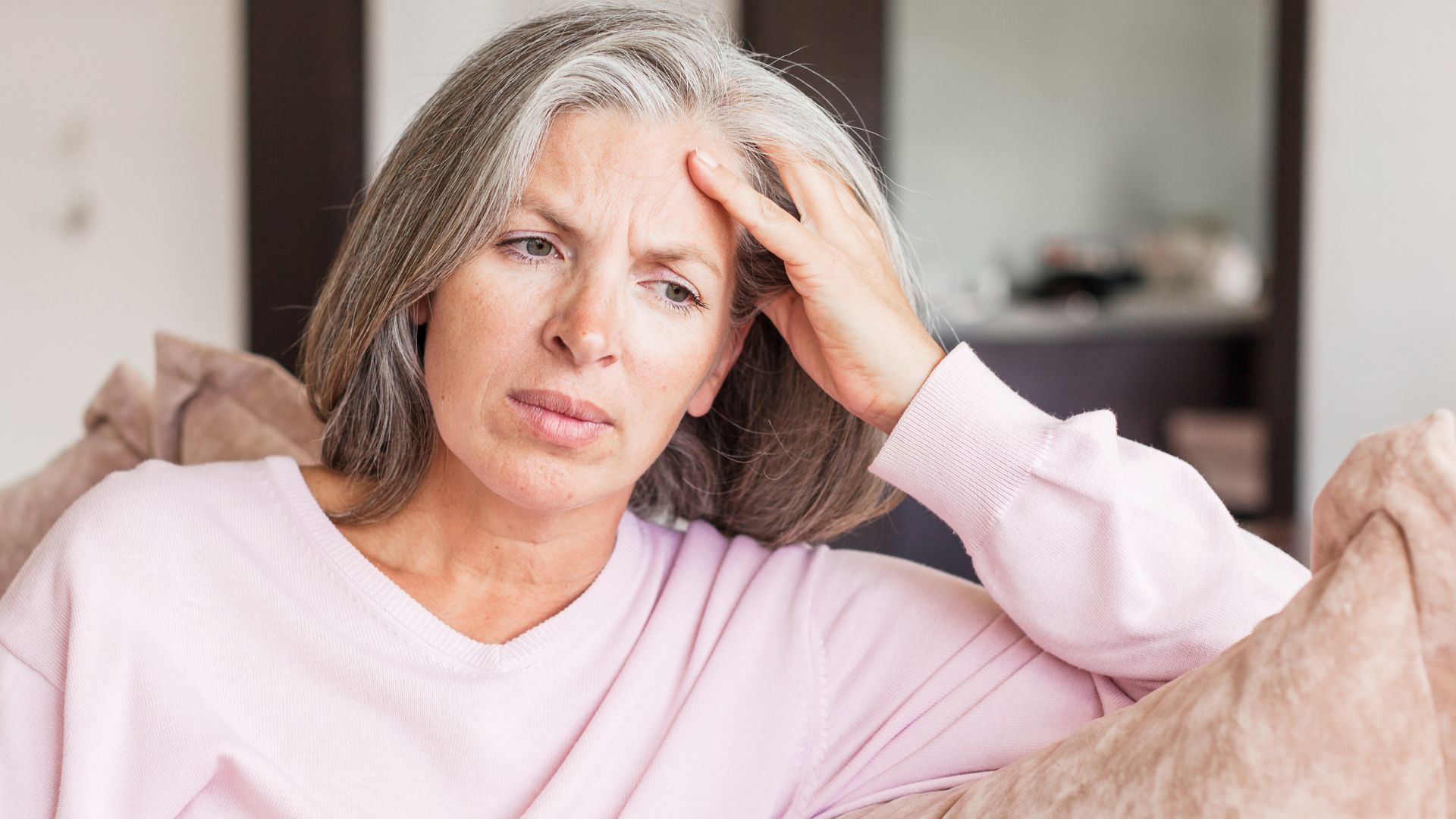
Stress is a normal, sometimes helpful response to life’s demands, but sometimes it can tip over into anxiety—an experience that’s more persistent, more intrusive, and more likely to get in the way of your day. Knowing the difference can help you take actions and get the right support sooner so that you can feel more like yourself again.
Red Flags
Duration & Intensity
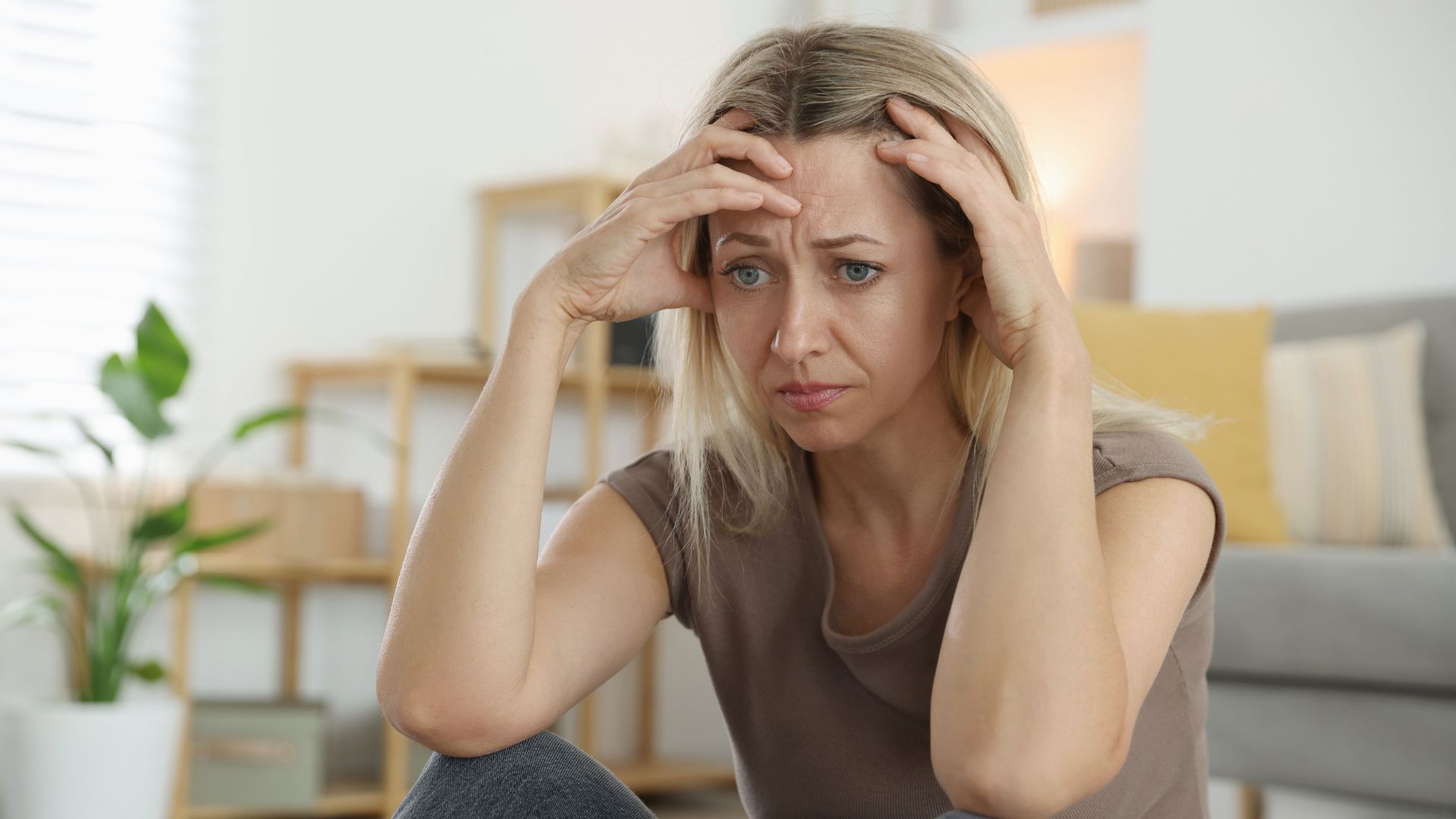
If you’ve been feeling off for weeks or months instead of just during a busy stretch, that’s one sign stress might be turning into anxiety. When worry and physical symptoms are stronger than the situation seems to warrant, that’s another clue.
Spread & Impact
When worry spreads, it moves beyond the original stressor and starts showing up in other areas of life. For example, a tight deadline at work might initially cause short-term stress, but if you begin worrying about future projects, relationship tensions, your health, or minor daily tasks, that’s spread. This often makes problems feel permanent rather than situational.
Anxiety can interfere with everyday functioning. Noticeable signs include slipping performance at work or school, frequently cancelling or avoiding social plans, trouble concentrating, increased forgetfulness, or difficulty completing routine chores. You might find yourself feeling irritable, overwhelmed, or emotionally numb. Together, spread and impact show that the reaction is no longer just a response to one event but is affecting your overall quality of life.
Sleep & Physical Symptoms
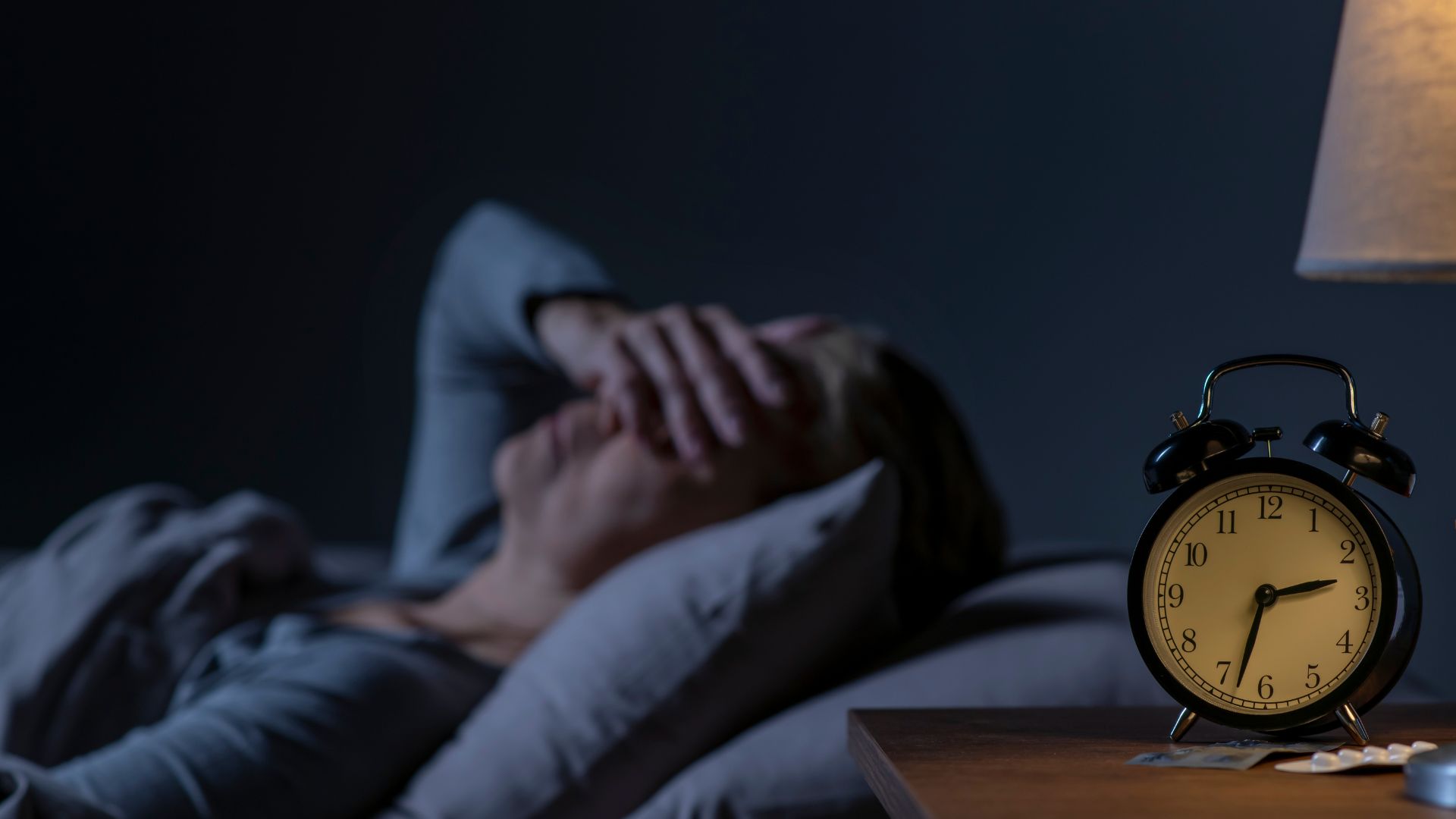
Sleep is a big clue. Difficulty falling or staying asleep, or waking up unrefreshed, often goes hand in hand with anxiety.
Frequent headaches, muscle tension, stomach upset, dizziness, or chest tightness that don’t have a clear medical cause can also point toward anxiety. Sudden panic attacks (those intense waves of fear where your heart races and you can’t breathe properly) are a clear sign something more than ordinary stress is happening.
Avoidance
Avoiding places or activities out of fear, persistent ‘what if’ thoughts, or having a hard time calming your worries even after reassurance are common signs of anxiety.
Quick Self-Check
If you’re finding all of this a little too familiar, ask yourself the following questions that can help to gauge whether your stress levels are escalating into anxiety.
- Timeframe – Have you been experiencing these symptoms for more than 2 weeks?
- Impact – On a scale of 1 – 10, how much do these symptoms impact your daily life?
- Spread – Do they occur across many situations in your life, rather than centering around a single stressor?
Tools & Strategies
Breathing Exercises

Breathing exercises tell your body it’s okay to relax by slowing down your heart rate and lowering stress hormones. This physical ‘reset’ helps to flip the switch from panic to calm. It also gives your mind a simple task to focus on, which helps stop racing thoughts from taking over.
Life Maintenance
Your diet and lifestyle play a major role in how much impact anxiety has on your body. Eat regular meals with healthy, whole foods, exercise 20-30 minutes every day, and get regular sleep. Reducing the amount of caffeine and alcohol you drink can also help to reduce anxiety symptoms.
Meaningful Activities

Make sure to squeeze in some time to do something that makes you happy and feel good every day. It could be a hobby or creative project, chatting with a mate, watching your favourite comfort show—whatever gets your mind off the negative and into a new, more positive space.
When to Seek Help
When it comes to your mental health, there’s sometimes only so much you can do on your own. If you experience the following symptoms, then it might be time to reach out a GP who can get you in touch with the right help.
- Severe impact on life and ability to function – If symptoms seriously affect your ability to work, study, care for yourself, or maintain relationships
- Frequent or intense panic attacks – Repeated panic attacks within a short period, especially if they lead to emergency visits or fear of going out, warrant urgent assessment.
- Long-lasting sleep or mood issues – Ongoing insomnia, worsening mood, or increased irritability that lasts weeks should be discussed with a clinician.
- Unhealthy ways of coping – Turning to alcohol or other unhealthy intoxicants to manage symptoms or cope with anxiety is a major red flag and requires immediate treatment.
Final Thoughts
You don’t have to navigate rising anxiety alone—small, steady steps make a big difference. Notice the signs early, use simple tools, and reach out for professional support when things start to interfere with daily life. With practical strategies, compassionate care, and a little patience, most people find they can regain balance and feel more like themselves again.